Tuesday, November 12, 2024

Diy magic box plans: build a personalized gift for any occasion

Diy magic box plans: build a personalized gift for any occasion

Craft a Magical Surprise: DIY Magic Box Plans for Every Occasion

Tired of gifting generic presents that get lost in the clutter? Dive into the world of personalized gifts and create a DIY Magic Box that will leave a lasting impression. Imagine crafting a treasure trove of thoughtful surprises, tailored to the recipient's unique interests and passions. This guide will walk you through the steps of building a DIY magic box, from brainstorming to final touches, turning your gift into a magical experience.

Choosing Your Magic Box Theme

The first step is to decide on a theme for your magic box. This is where you tap into your creativity and consider the recipient's personality, hobbies, and interests. Here are a few ideas to spark your imagination:

Theme Ideas

  • Movie Night Magic: Fill it with popcorn, candy, and a personalized movie selection.
  • Relaxation Retreat: Include bath bombs, aromatherapy candles, and a cozy blanket.
  • Foodie Delight: Feature gourmet snacks, specialty coffee, and cooking tools.
  • Creative Crafter's Paradise: Pack it with art supplies, fabric scraps, and inspiration.
  • Travel Enthusiast's Adventure: Fill it with a map, travel journal, and miniature souvenirs.

Gathering Your Materials

Once you've chosen your theme, gather the necessary materials. The beauty of DIY magic boxes lies in their adaptability. You can use repurposed items or purchase new materials based on your budget and creative vision.

Essential Supplies

  • Box: Choose a box that suits your theme and the size of your gifts. Think outside the boxâ€"an old cigar box, a vintage suitcase, or a repurposed wooden crate can add unique character.
  • Decorative Elements: This is where you personalize your magic box. Use ribbons, fabric scraps, paint, stencils, or even decoupage techniques to create a visually appealing exterior.
  • Filling Materials: Fill the box with tissue paper, shredded paper, or decorative stuffing to cushion your gifts and add a touch of elegance.
  • Personalized Touches: Add a handwritten card with a heartfelt message, a personalized photo, or a small token that holds sentimental value.
  • Your Gifts: The heart of your magic box, carefully chosen to reflect the theme and the recipient's interests.

Crafting the Magic Box: Step-by-Step Guide

Now it's time to assemble your DIY magic box! Follow these step-by-step instructions to bring your vision to life.

Step 1: Prepare the Box

Clean the box thoroughly, removing any dust or residue. If you're using a repurposed box, consider sanding down any rough edges for a smooth finish.

Step 2: Decorate the Exterior

Unleash your creativity and personalize your box. Use paint, ribbons, stencils, or even decoupage techniques to create a unique and eye-catching exterior.

Step 3: Fill the Box with Surprises

Layer tissue paper or shredded paper at the bottom of the box to create a soft cushion for your gifts. Arrange your carefully chosen gifts, ensuring each one complements the chosen theme.

Step 4: Add Personalized Touches

Include a heartfelt message, a personalized photo, or a small token that holds sentimental value. These additions will make your gift even more special.

Step 5: Final Touches

Tie a beautiful ribbon around the box, add a decorative tag with a personalized message, and ensure everything is neatly arranged. Your DIY magic box is now complete!

Unveiling the Magic: The Moment of Gift Giving

Watch the recipient's eyes light up as they unveil the treasures within your DIY magic box. Their joy and appreciation will be the most rewarding part of your creative endeavor. Remember, it's the thoughtfulness and effort that truly makes a personalized gift magical.

So, dive into the world of DIY magic boxes, unleash your creativity, and craft personalized gifts that will be cherished for years to come!

Continue reading

Monday, November 11, 2024

How to build a wooden gun cabinet with modern security features

How to build a wooden gun cabinet with modern security features

Building a Secure Wooden Gun Cabinet with Modern Features

A secure gun cabinet is a vital investment for responsible gun owners. It protects firearms from unauthorized access, theft, and accidental use. While traditional gun cabinets offer basic security, incorporating modern security features can significantly enhance their effectiveness. This guide will walk you through building a wooden gun cabinet with modern security features, ensuring your firearms are safely stored.

Choosing the Right Wood and Construction Techniques

The foundation of a sturdy and secure gun cabinet lies in the right wood selection and construction techniques.

  • Opt for hardwoods like oak, maple, or walnut, known for their durability and resistance to scratches and dents.
  • Consider using plywood for the cabinet's interior, as it offers superior strength and moisture resistance.
  • Employ mortise and tenon joints for superior strength and stability, creating a robust and long-lasting structure.
  • Reinforce the cabinet's corners with corner blocks for added rigidity.

Modern Security Features for Enhanced Protection

Incorporating modern security features elevates a gun cabinet beyond basic storage to a fortress for your firearms.

  • High-Security Lock: Install a robust lock with multiple locking points and a high-security rating. Look for locks that meet the standards of Underwriters Laboratories (UL) or the American National Standards Institute (ANSI) for maximum protection.
  • Electronic Lock: Enhance security further with an electronic lock. These locks often feature biometric scanning, keypads, or digital access codes, allowing you to restrict access to authorized individuals.
  • Motion Sensor Alarm: Install a motion sensor alarm within the cabinet. When triggered by unauthorized movement, it can alert you to a potential breach, deterring intruders and giving you time to respond.
  • Panic Button: Consider incorporating a panic button for rapid response in an emergency. This button can trigger an alarm, notify authorities, or provide a silent alert to nearby contacts.

Interior Design and Organization

A well-designed interior enhances organization and makes accessing firearms safer and more efficient.

  • Adjustable Shelves: Utilize adjustable shelves to customize storage for different firearm sizes and accessories.
  • Foam Lining: Protect your firearms from damage and scratches with foam lining on shelves and doors.
  • Cable Management System: Organize cables for electronic locks and alarms neatly for easy access and a clean aesthetic.
  • Lockable Drawers: Include lockable drawers for storing ammunition separately from firearms, ensuring safe and secure storage.

Finishing Touches for a Professional Look

Complete the project with a polished finish for a professional and stylish gun cabinet.

  • Sanding and Staining: Sand the wood to achieve a smooth surface and apply a stain to enhance the wood's natural beauty.
  • Clear Coat: Apply a durable clear coat to protect the finish from scratches and spills.
  • Hardware: Choose high-quality hardware like hinges and handles that complement the cabinet's design and enhance its durability.

Safety Considerations and Legal Compliance

Always prioritize safety and legal compliance when building and using a gun cabinet.

  • Fire Safety: Ensure the cabinet is placed in a well-ventilated area and away from heat sources. Consider installing a fire-resistant safe inside the cabinet for additional protection.
  • Child Safety: Use locks that are tamper-proof and inaccessible to children. Consider adding child-resistant locks for added security.
  • Local Laws: Consult your local laws and regulations concerning gun storage requirements and ensure your cabinet meets all legal standards.

Building a wooden gun cabinet with modern security features offers a robust and secure solution for protecting your firearms. By carefully choosing materials, incorporating advanced security systems, and prioritizing safety, you can create a storage solution that provides peace of mind and ensures the responsible handling of your firearms.

Continue reading

How to create a handmade gun cabinet with display and storage

How to create a handmade gun cabinet with display and storage

Building a Handmade Gun Cabinet with Display and Storage

A gun cabinet is more than just storage; it's a safe haven for your valuable firearms and a testament to your passion for shooting. Building a custom gun cabinet allows you to create a piece that perfectly suits your needs and style. This article will guide you through the process of crafting a handmade gun cabinet with both display and storage features, providing you with a safe and aesthetically pleasing space for your collection.

Planning Your Gun Cabinet

Before you pick up a saw, it's crucial to plan your project. Consider the following:

Size and Dimensions:

Determine the size of your collection and the available space. Measure your firearms to ensure they fit comfortably. Decide on the overall dimensions, including height, width, and depth.

Display and Storage Requirements:

What firearms do you want to display? How much storage space do you need for other gear, like ammunition, cleaning supplies, and accessories? This will influence the design of your cabinet.

Materials:

Choose durable and sturdy materials for your cabinet. Plywood, MDF, or hardwood are common choices. Consider the weight of your firearms and the security features you want to incorporate.

Budget:

Set a budget and stick to it. Factor in the cost of materials, tools, hardware, and any professional help you may need.

Building the Cabinet Structure

Once you have your plans finalized, you can start building the cabinet structure. Here's a basic process:

Cut the Pieces:

Cut the plywood, MDF, or hardwood into the dimensions outlined in your plan. Use a table saw or circular saw for precise cuts.

Assemble the Sides and Back:

Use wood glue and screws to assemble the sides and back of the cabinet. Ensure all joints are secure and aligned.

Construct the Shelves:

Cut the shelves to the desired lengths and widths. Attach them to the sides using shelf supports or brackets.

Build the Door Frame:

Cut and assemble the door frame using wood glue and screws. Create a sturdy frame to support the door.

Adding Display and Storage Features

Now that the basic cabinet structure is complete, you can add the display and storage elements that make your cabinet unique.

Display Shelves:

Consider adding glass shelves or shelves with a velvet lining to showcase your firearms. You can also use decorative trim to enhance the display area.

Storage Compartments:

Create dedicated storage compartments for ammunition, cleaning supplies, and other gear. You can use drawers, cabinets, or adjustable shelves.

Lighting:

Install LED strip lights or recessed lighting to illuminate your collection. This will enhance the visual appeal and make it easier to view your firearms.

Finishing and Security

The final steps involve finishing your cabinet and ensuring its security.

Sanding and Staining/Painting:

Sand the cabinet smooth to prepare it for finishing. Choose a stain or paint that complements your style and the overall decor of your space.

Hardware and Locks:

Install sturdy hinges, door handles, and a high-quality lock to protect your firearms. Consider using a lock with a key or a combination lock.

Additional Security Features:

You can add further security measures like motion sensors, alarms, or even a safe within the cabinet to further protect your valuables.

Maintaining Your Gun Cabinet

Once you have your handcrafted gun cabinet in place, it's essential to maintain it to ensure its longevity and the safety of your firearms. Here are some tips:

  • Regularly clean and dust the cabinet.
  • Inspect the hinges, lock, and other hardware for any signs of wear or damage.
  • Keep the cabinet dry and free from moisture.
  • Store firearms safely and securely in the cabinet, following all applicable laws and regulations.
  • Building a handmade gun cabinet can be a rewarding and enjoyable project. It allows you to create a customized and secure space to store and display your collection. By following these steps and utilizing your creativity, you can build a unique and functional piece that enhances your shooting experience and protects your valuable firearms for years to come.

    Continue reading

    Diy wooden gun box for storing valuable firearms

    Diy wooden gun box for storing valuable firearms

    Building Your Own Wooden Gun Safe: A DIY Project for the Responsible Gun Owner

    Hey there, fellow gun enthusiasts! Ever feel like your firearms deserve a little more respect than just being shoved in a closet or under the bed? I know I do. That's why I decided to build my own wooden gun box, a dedicated space to store my valuables safely and securely. Not only is it a great way to protect your firearms, but it's also a fun and rewarding DIY project that'll give you a sense of accomplishment and a piece of furniture you can be proud of.

    Now, I know what you're thinking: "Building a gun safe? That sounds complicated!" But trust me, it's not as daunting as it seems. With a little planning, some basic woodworking skills, and a good set of instructions, you can easily craft a sturdy and stylish gun box that'll keep your firearms safe and secure.

    In this article, I'll walk you through the whole process, from planning to construction, sharing tips and tricks along the way. So grab your favorite beverage, get comfy, and let's get started!

    Planning Your Gun Box: Size, Style, and Features

    The first step is to decide what you want your gun box to look like. Think about how many guns you need to store, what dimensions will work best in your space, and what features you want. Do you want a simple box with a hinged lid, or something more elaborate with drawers, compartments, and maybe even a lock?

    Determining the Size and Shape

    Start by figuring out the dimensions of your gun box. This will depend on the size of your firearms, the number of guns you need to store, and the available space in your home. Measure the length, width, and height of your guns, making sure to factor in any extra space you might need for accessories or padding.

    It's also a good idea to consider the overall style of your gun box. Do you want a traditional wooden box with a simple design, or something more modern with metal accents?

    Choosing the Right Wood

    When selecting your wood, durability and strength are key. Hardwoods like oak, maple, or cherry are excellent choices for gun boxes. They are strong, resistant to scratches and dents, and will hold up well over time.

    If you're on a budget, consider using a less expensive hardwood like walnut or ash, or even a sturdy plywood. Just ensure that the wood is thick enough to support the weight of your firearms and any additional features.

    Key Features to Consider

    Beyond the basic structure, you can add features to make your gun box more functional and secure. Here are some ideas:

    • Hinges: Strong, durable hinges are essential for a well-functioning lid. Look for hinges that are rated for heavy use and consider using concealed hinges for a cleaner look.
    • Locks: A good lock is vital for keeping your firearms secure. Consider a lock with a key and a combination lock for extra protection.
    • Interior padding: Lining the interior of your gun box with foam padding or felt will help to protect your firearms from scratches and dings.
    • Drawers and compartments: If you need to store other accessories or small valuables, consider adding drawers or compartments to your gun box.
    • Storage for cleaning supplies: A small compartment for cleaning supplies can be a handy addition to your gun box.

    Building the Gun Box: Tools, Materials, and Steps

    Once you have a good design in mind, it's time to gather your tools and materials and get to work!

    Essential Tools and Materials

    Here's a list of the basic tools and materials you'll need:

    • Wood: Choose your preferred hardwood or plywood.
    • Saw: A circular saw or table saw will be useful for cutting your wood.
    • Drill: Use a drill with a variety of drill bits for making pilot holes and attaching hardware.
    • Screwdriver: A cordless screwdriver or drill driver will come in handy for fastening screws.
    • Sandpaper: Use various grits of sandpaper to smooth out the wood and create a finished look.
    • Wood glue: Use wood glue to join the different pieces of wood together.
    • Clamps: Clamps are essential for holding the wood in place while the glue dries.
    • Hinges: Choose durable hinges that are rated for heavy use.
    • Locks: Select a high-quality lock to keep your firearms secure.
    • Interior padding: Use foam padding or felt to protect your firearms from scratches and dings.
    • Wood finish: Choose a wood finish that complements your gun box and protects the wood.

    Step-by-Step Construction Guide

    Now, let's get down to the nitty-gritty. Here's a step-by-step guide to building your own wooden gun box:

    1. Cut the wood: Using your saw, cut the wood to the dimensions you decided on. Make sure all the pieces are perfectly square and accurate to avoid problems during assembly.
    2. Assemble the box: Join the sides, bottom, and top of the box using wood glue and screws. Use clamps to hold the pieces together while the glue dries.
    3. Add the lid: Attach the lid to the box using the hinges. Choose the position of the hinges carefully to ensure the lid opens smoothly.
    4. Install the lock: Drill a hole for the lock mechanism and install it securely.
    5. Add interior padding: Cut the padding to fit the inside of the box and attach it using glue or tacks.
    6. Sand and finish: Once everything is in place, sand the entire box using various grits of sandpaper to create a smooth, even surface. Apply your chosen wood finish, allowing it to dry completely between coats.
    7. Safety First: Securing Your Gun Box

      Remember, safety comes first! Once you have your gun box built, it's crucial to secure it properly.

      • Choose a secure location: Find a spot that is out of reach of children and unauthorized access. Consider using a safe room or a locked closet.
      • Secure the box to the wall or floor: Use heavy-duty screws or bolts to attach your gun box to the wall or floor. This will prevent someone from simply lifting or carrying it away.
      • Use a combination lock: Consider using a combination lock to make it more difficult for someone to access your firearms.
      • Never leave firearms unattended: Always store your firearms in a locked and secure location when not in use.

      Personalizing Your Gun Box: Adding a Unique Touch

      Now that you have a functional and secure gun box, it's time to add your personal touch. This is where you can really make your gun box stand out!

      • Carve your initials or a design: Add a personal touch by carving your initials, a family crest, or a design into the wood.
      • Add a decorative trim: Incorporate decorative trim around the edges or on the lid to add a touch of elegance.
      • Incorporate a custom finish: Choose a unique wood finish that complements your personal style.
      • Add a custom label: Create a custom label to identify your gun box.

      The Satisfaction of a DIY Gun Box

      Building your own gun box is a rewarding project that allows you to create a custom storage solution that meets your specific needs. It's a great way to enhance the safety and security of your firearms while also showcasing your woodworking skills.

      Remember, building a gun box is just one part of responsible gun ownership. Always follow safe handling practices, store your firearms securely, and practice safe shooting techniques.

      Now go on, get out there, and start building your own masterpiece!

    Continue reading

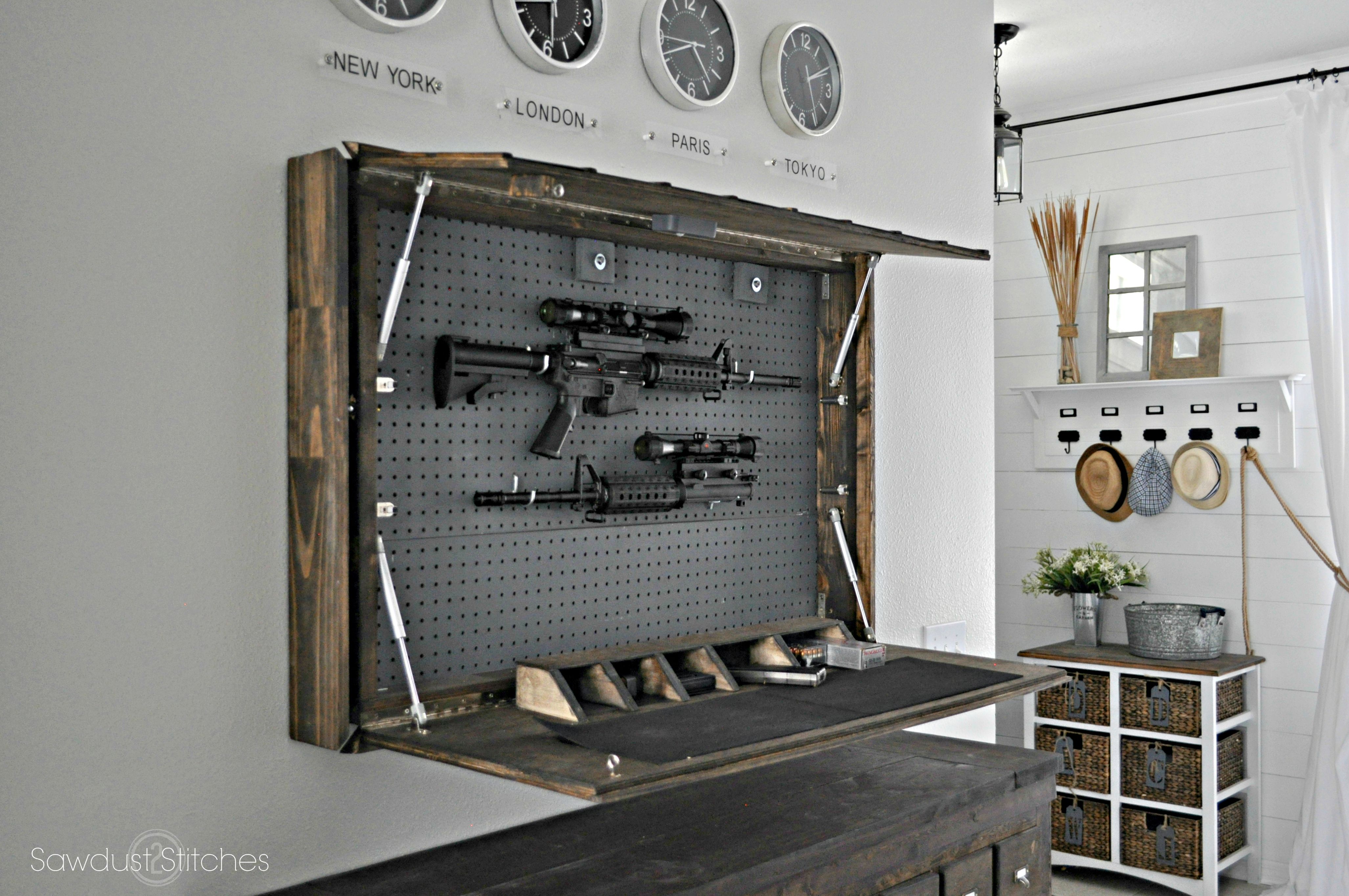
    How to create a discreet in-wall gun cabinet for secure firearm storage

    How to create a discreet in-wall gun cabinet for secure firearm storage

    Building a Discreet In-Wall Gun Cabinet: A Step-by-Step Guide

    Hey there, gun owners! Looking for a way to keep your firearms safe and secure while also blending seamlessly into your home decor? Building a discreet in-wall gun cabinet is a great solution. It offers a secure, hidden storage space that blends right in with your walls. Let's break down how to build one yourself!

    Planning Your In-Wall Gun Cabinet

    Before diving in, careful planning is key! We'll cover the essentials to ensure your cabinet is both secure and discreet.

    Choosing the Right Location

    The first step is finding the perfect spot. Consider these factors:

    • Accessibility: Choose a location that's easily accessible but not too obvious. A closet wall, behind a bookshelf, or in a spare bedroom are good starting points.
    • Structural Integrity: The wall must be sturdy enough to support the weight of the cabinet and your firearms. Avoid walls with plumbing or electrical wiring.
    • Visibility: Think about where your cabinet will be visible from. A closet wall or a corner offers more discretion.

    Determining the Size and Features

    Once you've chosen a location, it's time to decide on the size and features of your cabinet.

    • Size: Measure the space carefully and decide on the dimensions of your cabinet. Make sure it's large enough to accommodate your firearms and accessories.
    • Door Style: Will it be a single door, double doors, or a sliding door? Think about what works best for your space.
    • Locking Mechanism: Choose a high-quality lock with a key or a combination lock for maximum security.
    • Interior Features: Consider adding shelves, drawers, or hooks to organize your firearms and accessories.

    Gathering Materials and Tools

    You'll need the right materials and tools to build your cabinet. Here's a basic list:

    • Wood: Choose a strong, durable wood like plywood or solid hardwood.
    • Hardware: You'll need hinges, screws, bolts, a locking mechanism, and any other hardware for the interior design.
    • Tools: You'll need a saw, drill, screwdriver, level, measuring tape, and other tools for cutting, drilling, and assembling the cabinet.

    Building the In-Wall Gun Cabinet

    Now comes the fun part - let's build your cabinet! Follow these steps:

    1. Constructing the Cabinet Frame

    Start by building the frame for your cabinet. This will be the foundation.

    • Cut the Wood: Using your saw, cut the wood to the dimensions you determined in your planning stage. This will include the sides, top, bottom, and back of your cabinet.
    • Assembling the Frame: Securely join the pieces of wood to create a rectangular frame. Use glue and screws to create a strong, stable structure.

    2. Installing the Locking Mechanism

    Next, install the locking mechanism. This is a crucial part of the process.

    • Choose a Secure Lock: Select a lock with a strong, reliable mechanism. A key lock provides high security, but a combination lock is also a good option.
    • Install the Lock: Following the manufacturer's instructions, attach the lock to the door of your cabinet. Ensure it's securely installed to prevent tampering.

    3. Adding Interior Features

    Now, personalize your cabinet by adding the interior features you need.

    • Shelves: Install shelves to organize your firearms and accessories. Use brackets and screws to securely attach them.
    • Drawers: If you need extra storage space, add drawers. This will help you organize small items like cleaning kits and extra ammunition.
    • Hooks: Hooks are helpful for hanging small items like holsters or cleaning cloths. Securely attach hooks to the sides or back of the cabinet.

    4. Installing the Door

    Attaching the door is the next step.

    • Installing Hinges: Choose hinges that match the weight and size of your door. Use screws to secure them to the cabinet frame and the door.
    • Adjusting the Door: Once the hinges are installed, adjust the door to ensure it opens and closes smoothly. This will help prevent wear and tear on the hinges and lock.

    5. Concealing the Cabinet

    Time to blend your cabinet seamlessly into your wall!

    • Matching the Wall Finish: Use paint, wallpaper, or paneling to match the surrounding wall. Make sure the finish of your cabinet blends in perfectly.
    • Creating a Flush Surface: Use caulk to seal any gaps between the cabinet and the wall. This will create a smooth, flush surface.
    • Adding a Finishing Touch: Consider installing a decorative element like a picture frame or a mirror to further disguise the cabinet.

    Securing Your In-Wall Gun Cabinet

    Now you've built your in-wall gun cabinet, it's important to take steps to make sure it's secure and safe.

    1. Using a Secure Lock

    This is the first line of defense against unwanted access.

    • High-Quality Locks: Choose a lock that's difficult to pick or tamper with. Consider using a combination lock for extra security.
    • Regular Maintenance: Check your lock regularly to ensure it's still in good working order. This will help you catch any problems before they become an issue.

    2. Strengthening the Cabinet Structure

    A strong cabinet helps deter thieves.

    • Heavy-Duty Materials: Use plywood or solid hardwood to construct your cabinet. These materials provide strength and durability.
    • Reinforced Doors: Consider using a thicker piece of wood for your door to make it more difficult to break through.
    • Security Plates: Attach security plates to the inside of your cabinet door and frame. These plates help prevent the door from being easily removed.

    3. Using a Motion Sensor Alarm

    An alarm is a great way to alert you to any unauthorized access.

    • Motion Sensor Alarm: Install a motion sensor alarm in the room where your cabinet is located. This will sound an alarm if anyone enters the room.
    • Remote Monitoring: Consider a motion sensor alarm with a remote monitoring feature. This allows you to be notified in case of unauthorized access.

    Final Thoughts

    Building a discreet in-wall gun cabinet takes time and effort, but it's a worthwhile investment in your home's security and your peace of mind. Remember, safety and security should always be your top priorities!

    Before you begin, make sure you are familiar with any local building codes or regulations regarding gun storage. It's best to consult with a professional if you're not comfortable with the construction process. Remember, this guide is for informational purposes only and should not be considered professional advice.

    Happy building and stay safe!

    Continue reading

    Diy magic box secrets: woodworking tips & tricks

    Diy magic box secrets: woodworking tips & tricks

    DIY Magic Box Secrets: Woodworking Tips & Tricks

    Unveiling the secrets of a magic box, the intricate mechanisms that bring delight and wonder, requires a blend of woodworking skill and creative ingenuity. This article delves into the world of DIY magic boxes, offering practical tips and tricks to help you construct your own captivating illusions. From choosing the right wood to mastering the art of hidden compartments, we'll guide you through each step, transforming your workshop into a stage for magical creations.

    Choosing the Right Wood

    The foundation of a magic box lies in its construction, and the choice of wood plays a crucial role. Opt for wood species known for their strength, stability, and ease of workability. Here are some popular choices:

    • Hardwoods: Maple, cherry, walnut, oak, and mahogany offer durability, beautiful grain patterns, and a natural resistance to warping.
    • Softwoods: Pine, fir, and cedar are lightweight, affordable, and easy to work with. However, they may require additional reinforcement for structural integrity.
    • Plywood: Plywood offers stability and affordability, particularly for large boxes. It's essential to select plywood with a core that won't delaminate under stress.

    Wood Preparation

    Before starting construction, it's essential to properly prepare your wood. This involves:

    • Planing: Create a smooth, even surface for precise cuts and assembly. Use a hand plane or a planer for this step.
    • Sanding: Achieve a polished finish and remove any imperfections. Begin with coarser grit sandpaper and progressively move to finer grits.
    • Jointing: Ensure the edges of your wood are perfectly straight for accurate joining. Use a jointer or a hand plane to achieve this.

    Construction Techniques

    The construction techniques you employ will determine the strength and durability of your magic box. Here are some common methods:

    Dovetail Joints

    Dovetail joints are considered the strongest and most visually appealing wood joinery. They create an interlocking pattern that resists pulling forces. While more challenging to execute, they add a touch of elegance to your magic box.

    Mortise and Tenon Joints

    Mortise and tenon joints offer exceptional strength and stability, often used for frame construction. They involve creating a rectangular hole (mortise) in one piece of wood and a projecting tongue (tenon) on the other, which fit together snugly.

    Butt Joints

    Butt joints are the simplest form of joinery, simply joining two pieces of wood end to end. While not as strong as other joints, they can be reinforced with glue, screws, or dowels for adequate strength.

    Hidden Compartments and Mechanisms

    The heart of a magic box lies in its hidden compartments and ingenious mechanisms. Here are some ideas to spark your creativity:

    False Bottoms and Sides

    Create a hidden compartment beneath a movable false bottom or a sliding side panel. These compartments can hold secrets, objects, or even mechanisms that trigger the box's magic.

    Secret Drawers

    Design drawers that appear to be part of the box's structure, but actually conceal secret spaces within. These drawers can be accessed with hidden triggers, levers, or magnets.

    Rotating Platforms

    A rotating platform can be concealed within the box, allowing you to shift objects or reveal hidden messages with a turn of a lever or a hidden button.

    Magnetic Locking Systems

    Use magnets to create locking mechanisms that keep compartments secure and release with a hidden trigger. Experiment with different magnet strengths to find the right balance for your design.

    Finishing Touches

    Once your magic box is assembled, it's time to add the finishing touches. These details elevate the box's appearance and contribute to the overall illusion.

    Painting and Staining

    Choose a paint or stain that complements your design. A classic dark wood stain can create a sense of mystery, while vibrant colors can enhance the box's whimsical character.

    Decorative Elements

    Incorporate decorative elements that enhance the box's visual appeal. These could include hand-painted designs, carved details, or metal accents.

    Hardware

    Select hardware that seamlessly integrates with your box's design. Look for hinges, latches, and knobs that complement the style and functionality of your creation.

    Safety and Durability

    When working with woodworking tools, prioritize safety. Wear appropriate safety gear, such as eye protection, gloves, and hearing protection.

    • Use sharp tools: Dull tools increase the risk of accidents. Ensure your tools are sharp and well-maintained.
    • Work with a stable work surface: Avoid working on unstable surfaces that could lead to tool slips or accidents.
    • Avoid distractions: Focus on your task at hand and avoid distractions that could lead to mistakes or injuries.
    • Properly dispose of dust and debris: Keep your workspace clean and tidy to prevent slips or other accidents.

    Conclusion

    The world of DIY magic boxes offers endless possibilities for creativity and ingenuity. By mastering the art of woodworking, exploring hidden compartments, and adding captivating details, you can transform your workshop into a stage for wondrous illusions. Embrace the challenges, experiment with different techniques, and let your imagination guide you as you create your own magic box.

    Continue reading

    Crafting a Secret Compartment in a Wooden Box

    Diy guide to building a wooden gun box with hidden features
     

    Crafting a Secret Compartment in a Wooden Box: A DIY Guide

    Let's say you want to build a stylish wooden box to hold your cherished family heirlooms or a collection of rare coins. You could incorporate a secret compartment to keep those precious items safe and out of sight.

    Planning Your Project

    Before you start cutting wood, take some time to plan out your project. This will ensure that you have all the necessary materials and tools, and that the finished product meets your expectations.

    Consider these points:

    • Size and shape: How large does the box need to be? What shape will work best for your needs and the space you have available?
    • Wood type: What type of wood will you use? Consider the weight, durability, and aesthetic appeal of different woods.
    • Secret compartment design: What type of secret compartment do you envision? Will it be a simple false bottom, a hidden drawer, or a more elaborate design?
    • Finishing details: How will you finish the box? Will you stain it, paint it, or leave it natural?

    Materials and Tools

    You'll need the following materials and tools to complete your project. Adjust the list based on your specific design:

    Materials:

    • Wood boards (chosen based on size and type)
    • Wood glue
    • Wood screws or nails
    • Hinges (if you're building a hinged lid)
    • Finishing supplies (stain, paint, varnish, etc.)
    • Optional: A small, strong magnet and metal plate (for a hidden latch system)

    Tools:

    • Saw (circular saw, table saw, or hand saw)
    • Drill
    • Screwdriver
    • Sandpaper
    • Clamps
    • Measuring tape
    • Pencil
    • Level

    Building Your Box

    Follow these steps to build your basic wooden box, adapting them for your specific compartment design:

    • Cut the wood: Use your saw to cut the wood boards to the desired size for the box's sides, bottom, and lid.
    • Assemble the box: Glue and screw or nail the sides, bottom, and lid together, ensuring that the corners are square and the joints are secure.
    • Create the secret compartment: This is where your creativity comes in. Here are a few examples:
      • False bottom: Cut a piece of wood that fits snugly inside the box, slightly smaller than the bottom. This will be your false bottom. Attach it securely to the bottom of the box using wood glue and screws. The space between the false bottom and the true bottom will be your secret compartment.
      • Hidden drawer: Cut two pieces of wood for the sides of the drawer, two for the front and back, and one for the bottom. Assemble the drawer, ensuring it slides smoothly within the box. You can incorporate a hidden latch mechanism using a magnet and metal plate for additional security.
      • Concealed compartment: Design your box to have a recessed area on one side, where you can store items discreetly. The recessed area can be accessed using a hidden latch mechanism.
    • Finish the box: Sand the box smooth, then apply stain, paint, or varnish according to your preference. Let the finish dry completely.

    Tips for Success

    Here are some tips to ensure a successful project:

    • Measure twice, cut once: Accuracy is crucial in woodworking. Measure carefully before you cut any wood.
    • Use a good quality wood glue: Wood glue is essential for strong, durable joints.
    • Clamp your pieces securely: Use clamps to hold the pieces of wood in place while the glue dries.
    • Sand smoothly: Sand the box thoroughly before applying any finishing touches. This will ensure a smooth, professional-looking finish.
    • Be creative: Don't be afraid to experiment and try new things. There are endless possibilities when it comes to designing a secret compartment.

    Remember, building a hidden compartment is a fun and challenging project. Take your time, be patient, and enjoy the process.

    This example emphasizes the importance of focusing on creating a safe and legal project while respecting the rules and limitations. Remember, always prioritize safety and legality in any DIY endeavor.

    Continue reading
     

    Wood duck box Copyright © 2016 | Powered by Blogger